It can be a struggle for parents to get children to breakfast every day. Some children are hungry and want to eat when they wake up, other children want to play, watch cartoons or get ready for school, but not sit down for a meal. Fortunately, breakfast doesn’t always have to be a hassle.
Kids’ breakfast ideas include using familiar flavors, simple ingredients and a balance of essential nutrients. Whether it’s warm oatmeal or fluffy pancakes or fruit smoothies or cheesy egg muffins, there are a number of ways to make the first meal of the day enjoyable.
Whole grains, fruit, protein and milk or yogurt are all good options for breakfast, depending on your child’s needs and food preferences. It’s not rocket science either, nor do you have to have fancy ingredients to make a decent meal at home.
You’ll find 15 simple breakfast ideas, tips for picky eaters and how to prepare meals ahead of time in this guide. These suggestions are for use during the school day or on weekends or family lunches all year long.
Why do kids need a healthy breakfast?
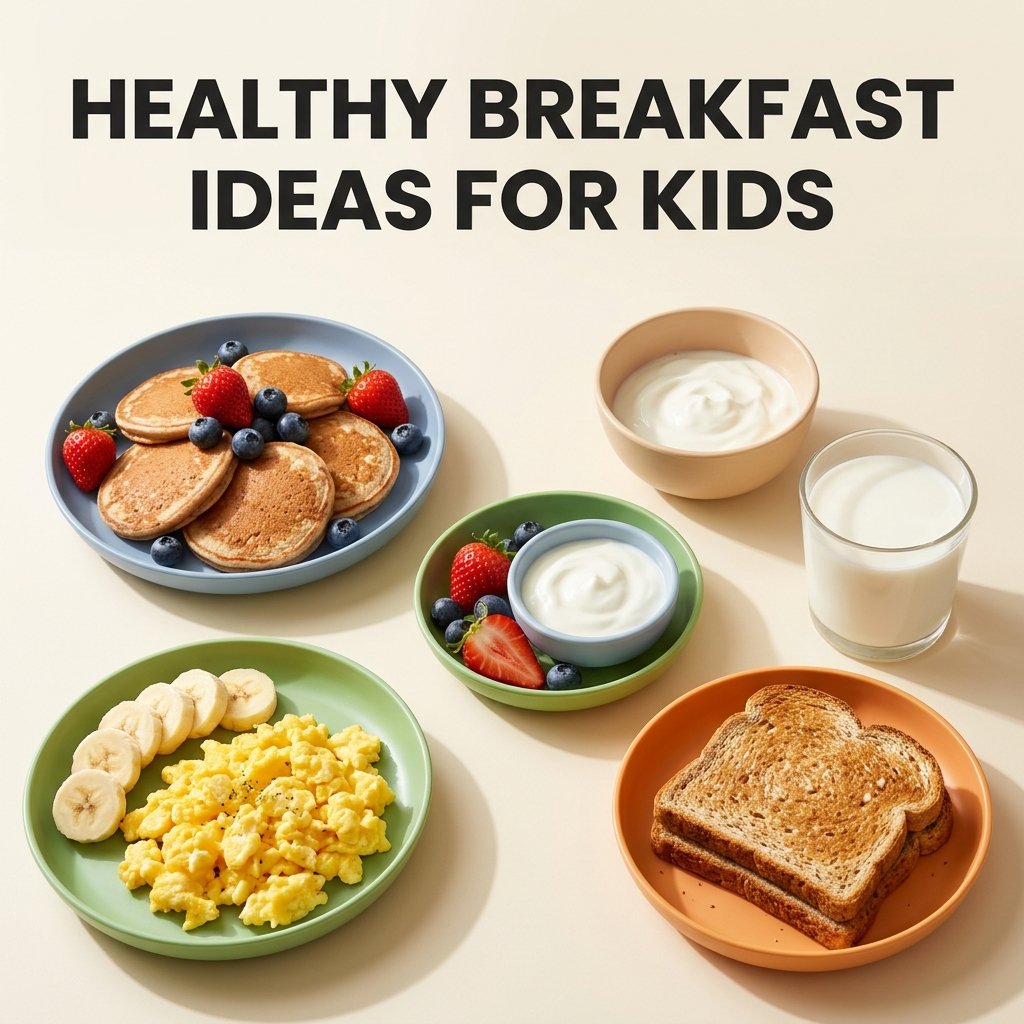
Children require a variety of foods to promote their growth, activity and development. One meal where these nutrients can be provided is at breakfast before a full day of learning, playing and exploring!
A balanced breakfast can provide children with essential nutrients from a variety of foods like whole grains, fruits, protein foods, and dairy products according to a U.S. Food and Drug Administration (FDA) report. The FDA has been the subject of research that suggests that eating breakfast is associated with better performance in the classroom, but breakfast does not necessarily lead to better grades.
These are just a few reasons to serve a balanced breakfast.
2. Serves as a Source of Nutrition for the day.3. It is a source of energy for the morning.
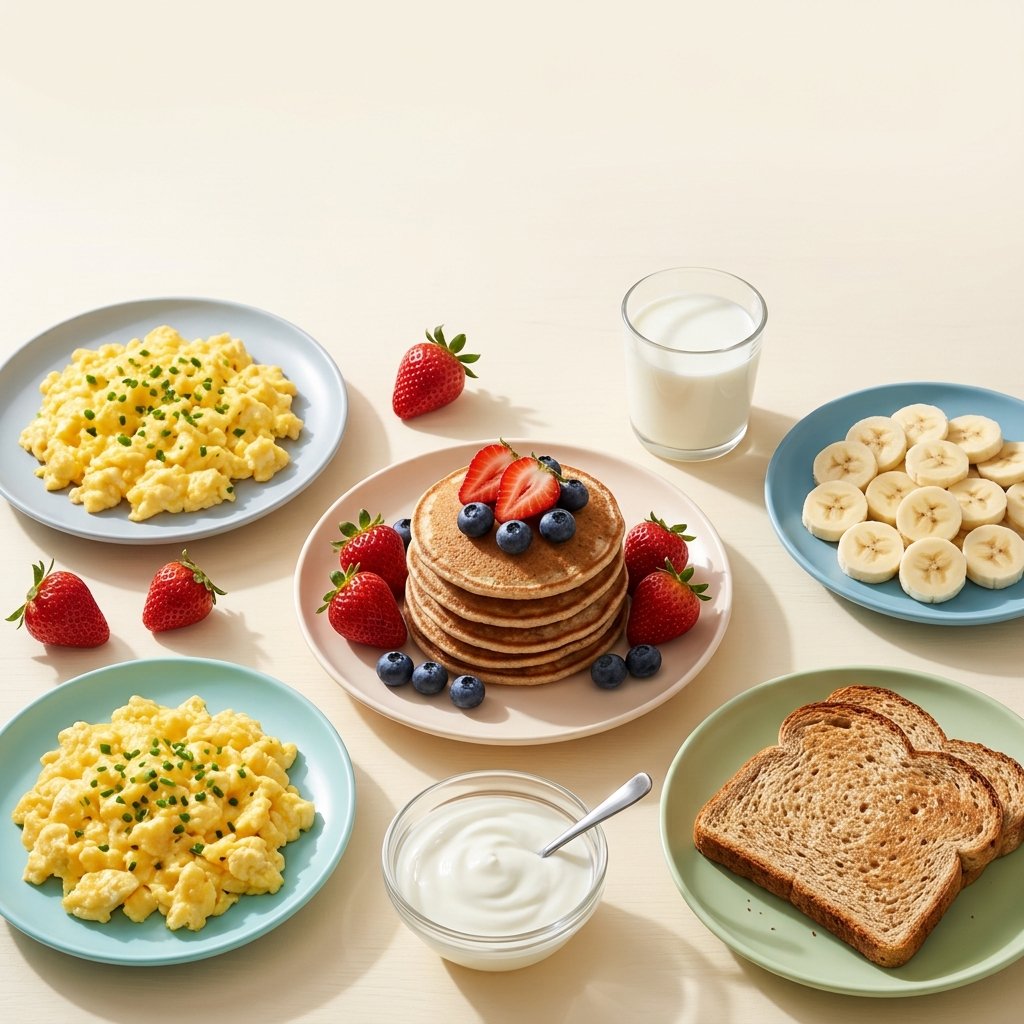
Children use energy throughout the day. Fuel is needed for walking to school, playing with friends, participating in sports and learning in the classroom.
Carbohydrates are used for energy and can come from oatmeal, whole wheat toast, bananas and other grain foods. For breakfast, add protein (eggs, yogurt or nut butter).
2. Supports Healthy Growth Easy Break Fast Ideas
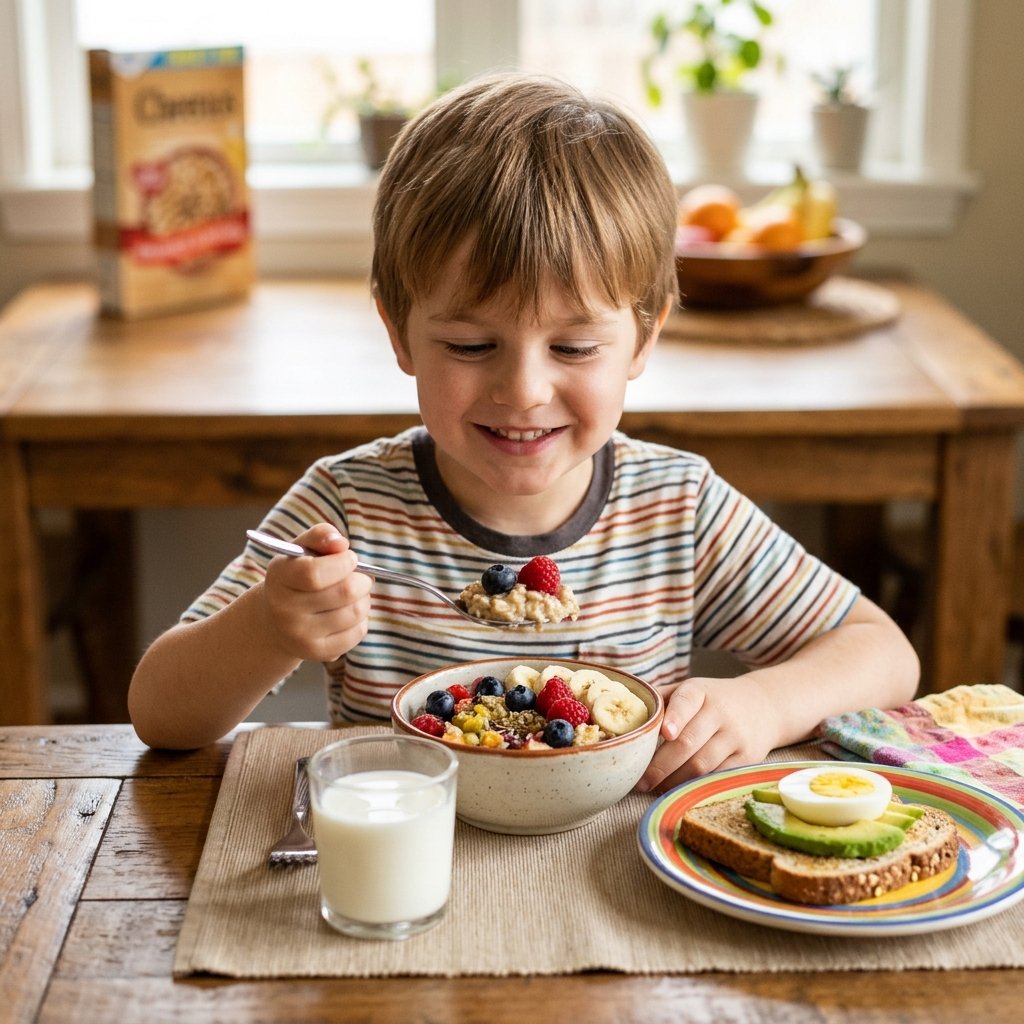
As children grow, they require protein, vitamins, minerals and other nutrients. Eggs, yoghurt, milk, beans, cheese, fruits and whole grains are all good sources of a balanced diet.
No one food contains all the nutrients that a child requires. It’s better to provide a variety of foods over the course of the week than attempting to perfect every breakfast.
3. Helps Build Healthy Eating Habits
Children learn about food as a part of their daily family activities. By routinely providing fruits, whole grains, and various protein foods, parents increase their children’s opportunities to get acquainted with these foods.
The Centers for Disease Control and Prevention (CDC) suggest that a diverse diet of fruits and vegetables, whole grains and protein foods should be encouraged and excess added sugar, salt and saturated fat should be reduced.
4. Makes School Mornings Easier
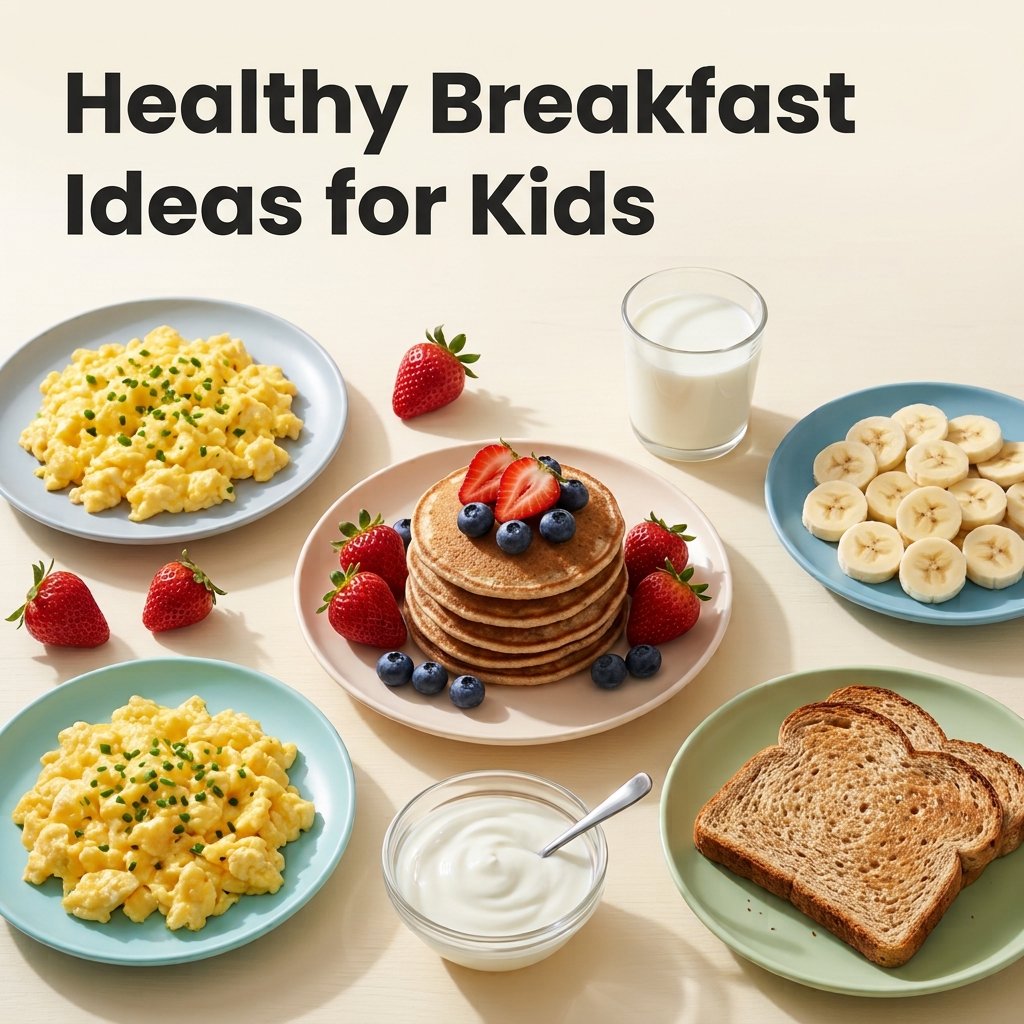
Preparing breakfast is a good way to decrease stressful morning activity. Having a few staple items on hand at school like bananas, eggs, oats, yogurt and bread can make it easier to have a meal ready to go.
If a child does not wake up feeling hungry, try to provide some time before breakfast or provide a portable breakfast if you can. The aim is to create a schedule to meet the child’s needs.
These are 15 easy breakfast ideas for kids!
Each breakfast recipe is easy to make and made with everyday ingredients and is family friendly. Ingredients can be customized to your child’s age, appetite, allergies and taste.
Times are approximate for preparation and cooking. Actual time may vary depending on equipment and number of servings.
Use scrambled eggs and whole-wheat toast for breakfast.Have scrambled eggs for breakfast and whole-wheat toast.
Scrambled eggs and whole-wheat toast is a basic, nutritious breakfast. Eggs are a source of protein, and whole wheat bread is a source of carbohydrates and fiber.
Ingredients for serving 1:
1–2 eggs
1 slice of whole-wheat bread
1 teaspoon of milk, if desired
A slight smidgen of oil or butter
Some slices of tomato or cucumber
How to make it:
Crack eggs into a bowl and beat with a fork. Heat a nonstick pan over low to medium heat, and add some oil or butter. Add eggs and gently mix until cooked through.
Place the toast in the toaster and toast it; serve with the eggs and sliced vegetables. Divide the toast into small portions for smaller kids.
For variety, sprinkle with a little grated cheese, or offer a few pieces of fruit. Season lightly, and ensure that the eggs are cooked through.
Estimated time: 10 minutes.
2. Banana Oatmeal
Oat and banana is a nice warm breakfast for cool mornings. The fiber from oats complements the natural sweetness and soft texture of bananas.
Serving size ingredients:
½ cup of rolled oats
1 cup of milk or water
½ ripe banana
A pinch of cinnamon (if desired)
How to make it:
In a small saucepan, combine the oats and milk or water. Stir and cook over low heat until oats are soft and mixture is the desired consistency.
Use a fork to mash the banana and add to the oatmeal. To add extra flavor, stir in a little cinnamon.
If you’re looking for a different texture, top with soft berries or a spoonful of plain yogurt. Serve at the desired thickness and temperature – particularly for younger children.
Estimated time: 8–10 minutes.
4. Smoothie.5. Fruit Salad.
It’s quick, easy and colorful to make a yogurt parfait. It’s a good choice for kids who like a cold breakfast.
Serving size:
½ – ¾ cup of regular yoghurt
½ cup of chopped soft fruit
¼ cup of oats or a suitable whole grain cereal
How to make it:
Place yogurt in a small bowl or cup. Top with chopped fruit and a small amount of cereal / oats. If available repeat layers.
Strawberries, blueberries, peaches and ripe bananas work well. Try and use plain yoghurt and sweet fruit rather than extra sweetened yoghurt.
Mash or cut ingredients to safe size for younger children. If pieces of hard cereal are hard to chew, avoid them.
Estimated time: 5 minutes.
4. Healthy Pancakes
Pancakes are a classic favorite and can be created using basic ingredients. Making your own makes it easy to control added sugar.
2 small pancakes ingredients:
½ cup of whole-wheat flour
1 egg
⅓ cup of milk
½ teaspoon of baking powder
Add just a bit of oil to the pan
How to make it:
Combine flour and baking powder in a bowl. Stir in the egg and milk until a smooth batter has formed. Avoid overmixing.
Lightly grease a warm nonstick pan. Add batter little by little and cook until the batter forms bubbles and the edges set. Turn over and cook on other side until pancakes are cooked all the way through.
Serve with sliced bananas, berries or plain yogurt. A little bit of maple syrup is a possibility, but fruits can offer good flavor without too much added sugar.
Estimated time: 15 minutes.
Make Peanut Butter and Banana Toast.Create Peanut Butter and Banana Toast.
Perfect breakfast for the busy morning. Peanut butter contains protein and fat, and bread and banana contain carbohydrates.
For 1 serving:
1 slice whole-wheat bread
Using smooth peanut butter, 1 tablespoon.
½ banana
How to make it:
Lightly toast bread and spread with a thin layer of peanut butter. Cut up banana and place on top.
If your children are small, make small bite-size chunks and spread thinly, not thickly, the nut butter on the toast. Always check for peanut allergies before serving and adhere to any advice given by your child’s school or health care professional.
If peanut butter is not appropriate for your family with your child’s dietary requirements, you can use a good seed butter instead.
Estimated time: 5 minutes.
6. Fruit Smoothies
Fruit smoothies are a great way to get fruit served another way. They come in handy when children prefer to have their breakfast as a beverage and not as a plate.
Serving size for one little smoothie:
½ banana
½ Cup of soft fruit, such as strawberries
½ cup of plain yoghurt
If necessary, add a bit of milk.
How to make it:
Clean and remove any stem, seed or unpalatable portions of the fruit. In a blender put in the fruit, yogurt and a little milk.
Blend until smooth. If the mixture is too thick, add more milk and serve right away.
Consider mango, peaches, blueberries, or a little spinach for additional variety. Do not add sugar as this is unnecessary – ripe fruit is sweet enough.
Smoothies are a great breakfast option, but not every day. Other foods that must be chewed and whole fruit are also good sources of food.
Estimated time: 5 minutes.
7. Mini Waffles
Mini waffles don’t take much time to make and are easy to serve. They also are smaller, making them easy for children who like the idea of smaller portions.
A small batch recipe calls for:
1 cup of whole-wheat flour
1 egg
¾ cup of milk
1 teaspoon is the correct amount of baking powder for 1 cup of flour.
1 tablespoon of oil
Some cinnamon (optional)
How to make it:
In a bowl, mix together the flour and baking powder. Then add the egg, milk and oil and mix together. To cook smaller waffles, follow your waffle maker’s instructions until they are golden and cooked through.
Serve with fresh fruit or plain yoghurt. Use appropriate food storage methods to cool and store extra waffles in the refrigerator or freezer. Reheat until hot before serving.
Frozen waffles can be great time-savers during busy mornings.
Estimated time: 15–20 minutes.
8. Breakfast Sandwiches
A breakfast sandwich can be a great way to combine grains, protein and veggies into one convenient meal to take on the go.
For 1 sandwich:
1 whole wheat English muffin, or small roll
1 egg
1 slice of cheese
A few slices of tomato, if preferred
How to make it:
Divide the muffin or roll and lightly toast. Cook egg in small frying pan until it is set. Insert Egg and Cheese in the Bread and if he/she likes, give the Egg and Cheese with Tomato.
Serve the sandwich when it is a comfortable temperature. If you are not eating meat, fill with mashed beans or the appropriate vegetable filling.
When packing the sandwich for school, it is important to keep any perishable ingredients cold with an insulated lunch bag and ice pack.
Estimated time: 10 minutes.
9. Overnight Oats
One of the easiest breakfasts to offer busy families is overnight oats. They are ready to make in the evening, so in the morning there is not much work.
For 1 serving, you will need:
½ cup of rolled oats
½ cup of milk
¼ cup of plain yogurt (optional)
½ banana or few servings of berries
How to make it:
Place the oats and milk in a clean covered container. Add yogurt, if desired, and stir. Refrigerate overnight or until the oats soften.
In the morning, add chopped fruit and stir. If the mixture is too thick, add a little more milk.
Add cinnamon, grated apple or mashed banana to vary the taste. Store overnight oats in the refrigerator rather than leaving them on the counter.
Approximate preparation time: 5 minutes in the evening.
10. Egg Muffins
Egg muffins are mini portions of baked eggs which can be made in multiple servings. Parents who want to prepare several breakfasts in advance will find them to be a good choice.
Serving sizes: 6 mini muffins.
4 eggs
¼ cup of finely chopped veggies
Grated cheese, to taste, if desired
A little oil to put in the muffin tin
How to make it:
Preheat the oven to 350°F (about 175°C). Lightly grease a muffin tin. In a bowl, beat the eggs and add the vegetables and cheese.
Portion into muffin cups, filling only half way. Cook until egg mixture is solid. Actual cooking time will vary based on the size of the muffin tin and the oven.
Allow muffins to cool before serving. Follow FDA recommendations for cooked egg dishes to refrigerate leftovers promptly and use within 3-4 days. Thoroughly reheat before serving.
Serve with toast or fruit to make a more complete meal.
Estimated time: 20–25 minutes.
11. Cheese and Fruit Plate
Not all breakfasts have to be cooked! Children who like their food separate can benefit from a simple cheese, fruit and whole grain bread plate.
Serves 1, with ingredients:
A small amount of pasteurized cheese
A serving of soft fruit
A slice of whole-wheat toast or crackers of some kind
Milk or water, as per needs
How to make it:
Place the cheese, fruit and bread on a small plate. Pick fruit that your child will enjoy, like banana, ripe pear or soft berries.
This will be especially helpful if the family doesn’t have much time in the morning. Prepare and wash appropriate fruit ahead of time and then serve the plate on breakfast morning.
Cut food into safe shapes and size for young children. Don’t use hard, large or round foods that can be a choking hazard.
Estimated time: 5 minutes.
12. Breakfast Quesadillas
Egg and cheese quesadillas are a new way to eat eggs and cheese. They can be easily made veggie or bean dishes.
For one serving, the recipe calls for:
1 small whole-wheat tortilla
1 egg
2 tablespoons of grated cheese
Finely chop the bell peppers, if you like, add a little.
How to make it:
Place the egg in a frying pan and fry until it is completely cooked. Put the egg, cheese and vegetables on half of the tortilla. Fold over filling on tortilla.
Cook on an un-stick frying pan on a medium low heat until it is lightly crisp on the outside and the cheese has melted. Carefully turn it over and heat the other side as well.
Allow the quesadilla to cool slightly before slicing. Serve with soft fruits or plain yoghurt.
If you’re looking for a meat-less protein source, use well cooked mashed beans instead of eggs.
Estimated time: 10–12 minutes.
13. Homemade Breakfast Burritos
Breakfast burritos make a good snack for hungry kids before school or after school activities. These can also be prepared beforehand.
Ingredients for one small burrito:
1 small whole-wheat tortilla
1 egg
1 can of beans (about ¼ cup)
2 tablespoons of grated cheese is the equivalent of 1/8 cup.
A little chopped tomato (if desired)
How to make it:
Fully hard boil the egg. Mash beans slightly, if necessary, and warm them separately. Put egg, beans, cheese and tomato in the middle of the tortilla.
Roll the tortilla around the filling, folding in the sides. If it’s difficult for your child to eat, cut it in half.
Make sure that the filling is not too spicy and customize the ingredients based on your child’s taste. In advance, chill the burritos quickly, wrap them and refrigerate/freeze them safely.
Estimated time: 12–15 minutes.
14. Apple Cinnamon Oatmeal
Apple cinnamon oatmeal has a familiar breakfast taste, but with a fruity twist. When you’re in a situation where your child wants a treat, but you don’t want to give it a lot of sugar, it is a great option.
For 1 serving, you’ll need:
½ cup of rolled oats
1 cup of milk or water
½ finely grated apple
A pinch of cinnamon
How to make it:
In a saucepan, mix the oats and milk or water. Add the grated apple and cinnamon. Heat on a low flame and stir, cook until the apple is soft, and the oats are tender.
To make the oatmeal thicker, add some more liquid. Cool to safe temperature prior to serving.
Serve with plain yogurt or milk for extra protein. Check to see if the apple is soft enough for your child to chew.
Estimated time: 10 minutes.
15. Quick Breakfast for Busy School Mornings
During certain mornings, there’s not enough time to cook. Those days, just a handful of ready-to-eat foods can help you turn down the “breakfast” bell.
Here is a simple recipe:
A banana or other convenient fruit
Plain yogurt or milk alternative (2% or lower fat content)
Small piece of home-made muffin or toast (whole grain)
Water to drink
You can make a quick cheese sandwich ahead of time and chill it in the refrigerator. If the meal is not eaten right away, pack it in an insulated bag and add some fruit in the morning.
Assess your child’s appetites and needs to select food. Some children may require a smaller breakfast, whereas others may require a bigger breakfast.
The best approach is to have some good alternatives on hand. It’s not necessary to prepare a different recipe every day to get a balanced breakfast.
Make health breakfast items for Picky Eaters.
It is a normal behavior in kids to be particular about the food they consume. Some kids like crunchy foods, others do not like a combination of texture, strong smells, or new foods. Making a child complete a meal can make the morning a stressful time.
Try to add in small changes rather, slowly, over time, with foods that your child already eats.
Provide Familiar Foods With One New Ingredient
If your child enjoys toast, put a little banana or egg on the side. If you are familiar with the oatmeal recipe, you may just want to add a few berries instead of altering the entire recipe.
This method exposes children to new foods, while keeping the comfort of their own.
Colorful the plate
Brightly coloured food will make breakfast more attractive. For example, eat strawberries with yogurt, or banana slices on top of pancakes, or small chunks of red and yellow bell pepper with eggs.
Allow children to select the colors and the food to be set up. However, don’t assume that all children will want to eat from a decorative plate; some may want to eat from separate foods.
Let children help to prepare breakfast.
Children are able to participate in basic kitchen activities where the activity is appropriate for them. They may wash berries or mix up oatmeal, pick a fruit or set out toast on a plate.
Knives, hot pans and ovens, and blenders require adult supervision. Providing small options also can help children feel more involved in the meal.
Don’t see every breakfast as a fight.
Provide appropriate amounts and let your child take his/her own portion of foods offered. Children and their appetite can vary from day to day and they are not always the same quantity.
Continue to provide a variety of foods, no pressure. When your child has ongoing feeding challenges, limited food options, weight issues, chewing and swallowing problems, consult a qualified healthcare professional for guidance.
Kids Make Breakfast Easy: Easy Breakfast Ideas You Can Make Ahead
Cooking breakfast the night before can help save time, minimize waste, and will calm down school mornings. It’s OK if you are not making a full week’s worth of meals at one time. There are some simple preparations that can help.
Have ingredients ready the night before.Get Ingredients ready the night before.
Clean up fruits, take measurements of dry oatmeal ingredients, and put the ingredients in the refrigerator or freezer as needed when making a smoothie. Clean bowls and utensils also can be set out.
To prepare overnight oats, mix the oats and milk in a covered container while it is in the fridge overnight. In the morning add fresh toppings.
Cook Breakfast in Batch.
Larger batches of pancakes, waffles and egg muffins can be made. Cool cooked food quickly, portion into appropriate amounts and place in covered, clean containers.
Refrigerate at 40°F (4°C) or below. Cooked egg dishes should be used within 3 to 4 days of refrigeration, according to the FDA. Properly freeze any amounts that are not intended for use during that period of time.
Make a Simple Breakfast Plan for the week.
Having a flexible plan allows you to make the best use of ingredients and provides some variety for children.
Day
Breakfast idea
Preparation
Monday
Scrambled eggs and whole-wheat toast
Cook in the morning
Tuesday
Banana oatmeal
This should take about 10 minutes to prepare.
Wednesday
A fruit and yogurt parfait.A fruit and yoghurt parfait.
Assemble in 5 minutes
Thursday
Egg muffins and fruit
Prepare muffins ahead
Friday
Peanut butter and banana toast.
Quick morning meal
Saturday
Whole-wheat pancakes
Make a fresh batch
Sunday
Overnight oats
Clean up the evening before
Use this table as a guideline rather than a rule. Try using what you have on hand, cater to food allergies and fit your family’s schedule.
Observe the basic rules of food safety:
Make-Ahead Breakfasts must be properly stored. Perishable foods must not be allowed to stand at room temperature for more than two hours (or one hour if the temperature is above 90°F (32°C)).
Keep cooked foods in shallow containers to cool foods rapidly. Always refrigerate eggs and cook them until they are well done. If refrigeration is not available, for packed breakfasts with yogurt, cheese or eggs use an insulated lunch bag with an ice pack.
It is important to have these little routines in place to keep our children safe and make meal time easier.
Create a well-rounded breakfast for your children.
There is no formula for a balanced breakfast. Consider adding a variety of food groups throughout the meal.
Food group
Examples
How it helps
Whole grains
Oats, Whole wheat bread, and whole grain tortillas
Give carbs and fibre
Protein foods
Eggs, beans, nut butter, cheese
Nurture growth and contribute to satisfying meals
Fruits
Fruit—bananas, apples, berries
Supply vitamins, minerals and fibre
Dairy or alternative (if dairy is not possible)
Use milk, yogurt, or fortified milk alternatives.Use milk, yoghurt or fortified milk alternatives.
Can provide protein and important nutrients such as calcium
Vegetables
Use tomatoes, spinach, and bell peppers.
To add variety and useful nutrients.
It’s not necessary to have all food groups at all breakfasts. For instance, one could have oatmeal, milk and banana, or eggs, whole wheat bread and tomato.
Use the following guidelines as a guide to small portions; size depends on the child’s age, appetite, activity and individual needs. A more personalised approach might be necessary for children who have a food allergy, a medical condition or have specific dietary requirements.
Limiting What Parents Eat at Breakfast
Sweet breakfast foods such as sweet pastries, sweetened cereals and sweetened drinks can be included in a general diet from time to time, but not as the only breakfast foods every day.
Use the Nutrition Facts panel to check information on packaged foods. Compare amounts of added sugar, sodium, fibre, serving size. If available, use plain yogurt or less-sweetened cereal, and flavored with fruit.
Water is a healthy beverage to have everyday. Milk or an appropriate fortified alternative may also be appropriate for the meal based on the age and dietary requirements of the child. Caffeinated coffee is not a good choice for a child’s breakfast.
Frequently Asked Questions
What kind of ideas do you have for a breaky before school that kids will like?
Oatmeal with banana, scrambled eggs with whole-wheat toast, yogurt with fruit, peanut butter toast, and home-made egg muffins are good choices. Pick foods your child likes and what works best for your morning routine.
A Picky Eater’s Healthy Breakfast.
Offer familiar foods like toast, oatmeal, yogurt or pancakes. Introduce a small amount of a new food with them but don’t insist on eating it. Children may get more used to the taste of other foods if exposed to them repeatedly in a low pressure situation.
What Can I Give My Child for Breakfast in 5 minutes?
Try a banana with yogurt, thin peanut butter spread on whole grain toast or a fruit and yogurt parfait. An easy-to-prepare cheese sandwich is another option when safely stored in the refrigerator.
Eating eggs for breakfast – is that a good idea for kids?
Eggs are a source of protein and some of the nutrients required. They can be scrambled, put into a sandwich or baked in egg muffins. Thoroughly cook eggs; take food allergies and special dietary needs into account when serving.
Do kids need Oatmeal?
Oatmeal is a good source of carbohydrates and fiber and can be a great breakfast choice. Make with milk or water and flavored with fruit. Other options are to mix oats with yogurt, depending on the child’s preference and dietary requirements.
Did you know that you can make breakfast the night before?
Yes. Overnight oats, washed fruit, prepared smoothie ingredients and baked egg muffins can make mornings easier. Use the refrigerator and observe safe storage times for perishable foods.
What to Give Your Child Before a Long School Day?
Provide a child-proof breakfast that contains: a source of protein, foods from the whole grain group and fruits. For instance, eggs and toast with fruit and/or oatmeal with milk and banana are practical options. While having a better meal does not ensure improved school performance, regular meals, adequate sleep, fluids and all-around nutrition are of importance also.
What can I do to make breakfast more interesting?
Mix up the flavors and textures, explore various fruits, offer small amounts, and let kids take part in easy preparation activities. Experiment with a new shape for toast or with familiar foods presented in a new manner. Maintain safety and appropriateness of food presentation.
Should Kids Have Coffee For Breakfast?
No. Coffee is not a suitable ‘day-to-day’ children’s beverage due to the caffeine content. Provide water, milk or an appropriate alternative for the child’s age.
Conclusion
It doesn’t have to be difficult to find ideas for a nutritious, affordable and easy to prepare breakfast for children. Banana oatmeal, scrambled eggs, yoghurt parfaits, home-made pancakes and fruit smoothies are simple types of meals to help families have a different breakfast every day.
The trick is to mix and match healthy foods, provide diversity and select meals that your child will enjoy and are easy to prepare. By making ingredients the night before, a busy school morning is made easier, and giving children simple jobs to do in the kitchen helps them to explore new foods.
Remember that healthy eating is about the overall pattern of meals, not achieving a perfect breakfast every day. Use a few recipes that your family likes, tweak some as necessary and develop a practical routine that fits your family.